
Bringing balance back into the body
Osteopathy is a gentle, hands-on approach to healthcare that focuses on helping your body move, feel, and function better.
Rather than just treating symptoms, osteopathy considers how different parts of the body work together, supporting your body’s natural ability to heal and adapt.
By understanding the relationship between structure, movement, and the nervous system, osteopathy aims to restore balance and create a clearer path toward recovery.
Book your initial consultation
Benefits of osteopathy
Osteopathy offers a holistic approach to healthcare, supporting movement, reducing pain, and improving overall wellbeing.
Rather than just treating symptoms, it works to understand the underlying causes of discomfort—recognising how different systems of the body interact.
This is especially helpful for those experiencing ongoing or recurring pain, helping the body restore balance and move toward recovery.
✔ Improve mobility and movement
✔ Reduce pain and tension
✔ Support recovery from injury
✔ Promote long-term body awareness
Support for everyday movement
These techniques can help ease discomfort in areas such as the neck, back, and shoulders, supporting more comfortable and confident movement day to day.
By improving how your body moves and adapts to load, osteopathy can help reduce ongoing strain while supporting better control, resilience, and long-term ease in daily activity.
Care across all stages of life
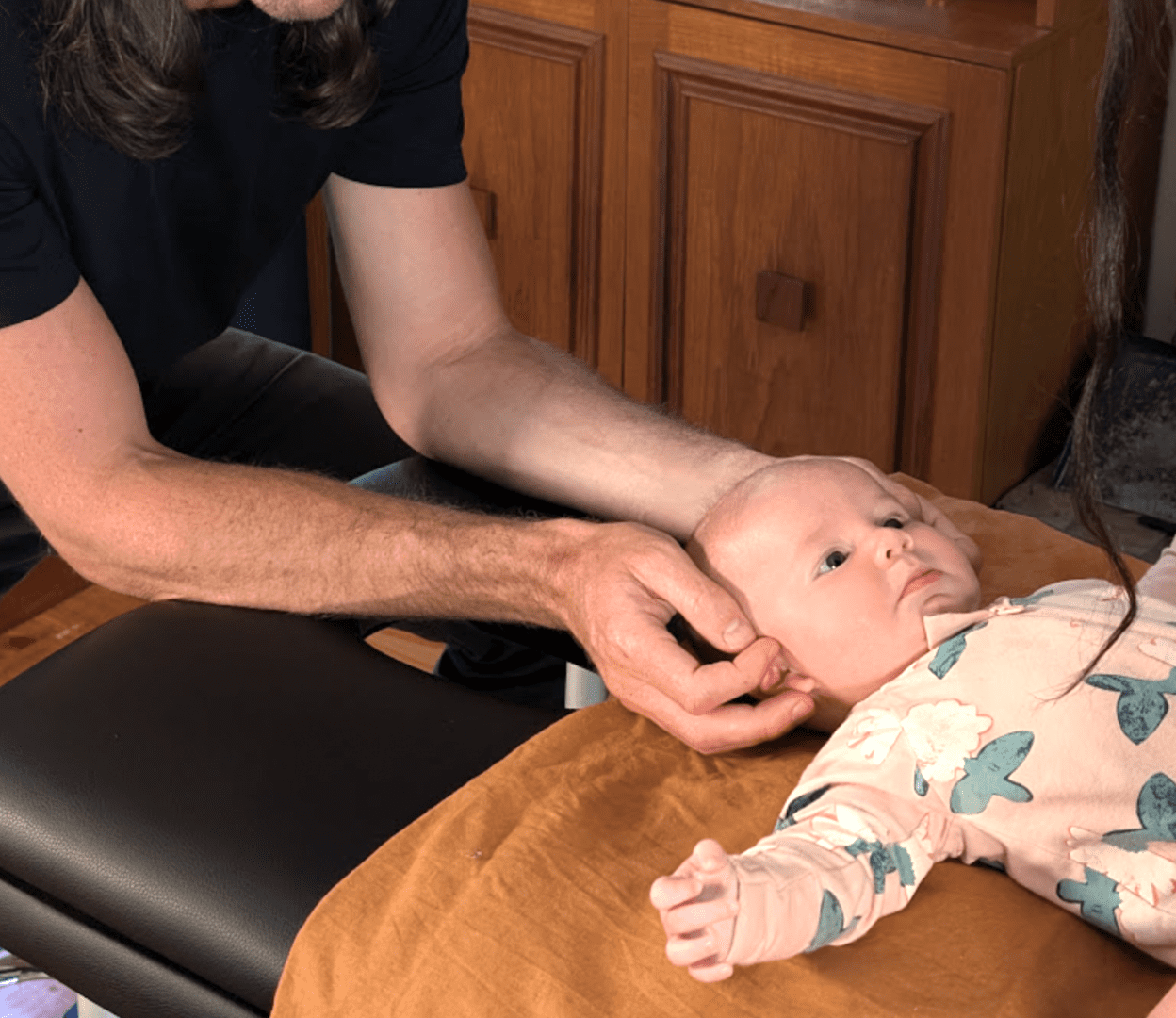
Because osteopathy is tailored to the individual, it is suitable for people of all ages—from infants through to older adults—supporting both short-term concerns and longer-term conditions.
This adaptable approach allows care to evolve over time, helping your body stay comfortable, move well, and remain supported through different stages of life and changing demands.
Osteopathy for all ages
Osteopathy is uniquely suited to support individuals at every stage of life, with treatment tailored to the needs of each person.
For newborns and babies, osteopathy can gently support feeding difficulties, unsettled behaviour, and tension related to birth—helping promote comfort, sleep, and overall wellbeing.
As children grow, treatment can assist with posture, coordination, and movement development, supporting healthy patterns through each stage of growth.
Through adolescence and into adulthood, osteopathy can help manage physical strain, injuries, and the demands of daily life—supporting movement, recovery, and long-term health.
History & Training
Osteopathy was founded in the late 19th century by Dr Andrew Taylor Still, who developed a more holistic approach to healthcare—focusing on the body’s natural ability to heal and the importance of structure and function.
Today, osteopathy combines these core principles with modern, evidence-based care, offering a balanced and patient-centred approach to treatment.
In Australia, osteopaths complete a minimum of five years of university training and are registered with AHPRA, ensuring high standards of safety, professionalism, and clinical care.
How osteopathy can help you
Whether you’re experiencing ongoing pain, recovering from an injury, or simply wanting to move and feel better, osteopathy offers a gentle and supportive approach to care.
I’ll work with you to help you better understand your body, reduce discomfort, and move forward with greater confidence.
Book your initial consultationIn-person in Ballarat or online consultations available
FAQs
Osteopathy is suitable for people of all ages and stages of life. Treatment is always adapted to your comfort, needs, and current health.
We’ll start with a conversation about your symptoms, lifestyle, and goals. From there, I’ll assess how your body is moving and use gentle hands-on techniques where appropriate.
No referral is needed to see an osteopath in Australia.
Yes. Many people I work with are experiencing ongoing or recurring pain. Treatment focuses on understanding your pain and supporting your body over time.
Treatment is generally gentle and adapted to your comfort. We work together to find an approach that feels safe and supportive for you.